What to know before you get a quote
How a home battery works
A battery stores electricity so you can use it later. With solar panels, it captures spare daytime power that would otherwise be exported and releases it in the evening. On a time-of-use tariff, it can also charge from the grid during cheaper overnight periods and power your home when prices rise. Everything happens automatically once the system is set up.
Sizing a battery for your home
The right size depends on how much electricity you use between late afternoon and bedtime, how big your solar array is and which tariff you are on. A battery that is too small fills up early and leaves solar unused, while one that is too large may rarely be emptied. The surveyor looks at your bills or smart meter data and talks through your routine before recommending a usable capacity in kWh.
Adding a battery to existing solar
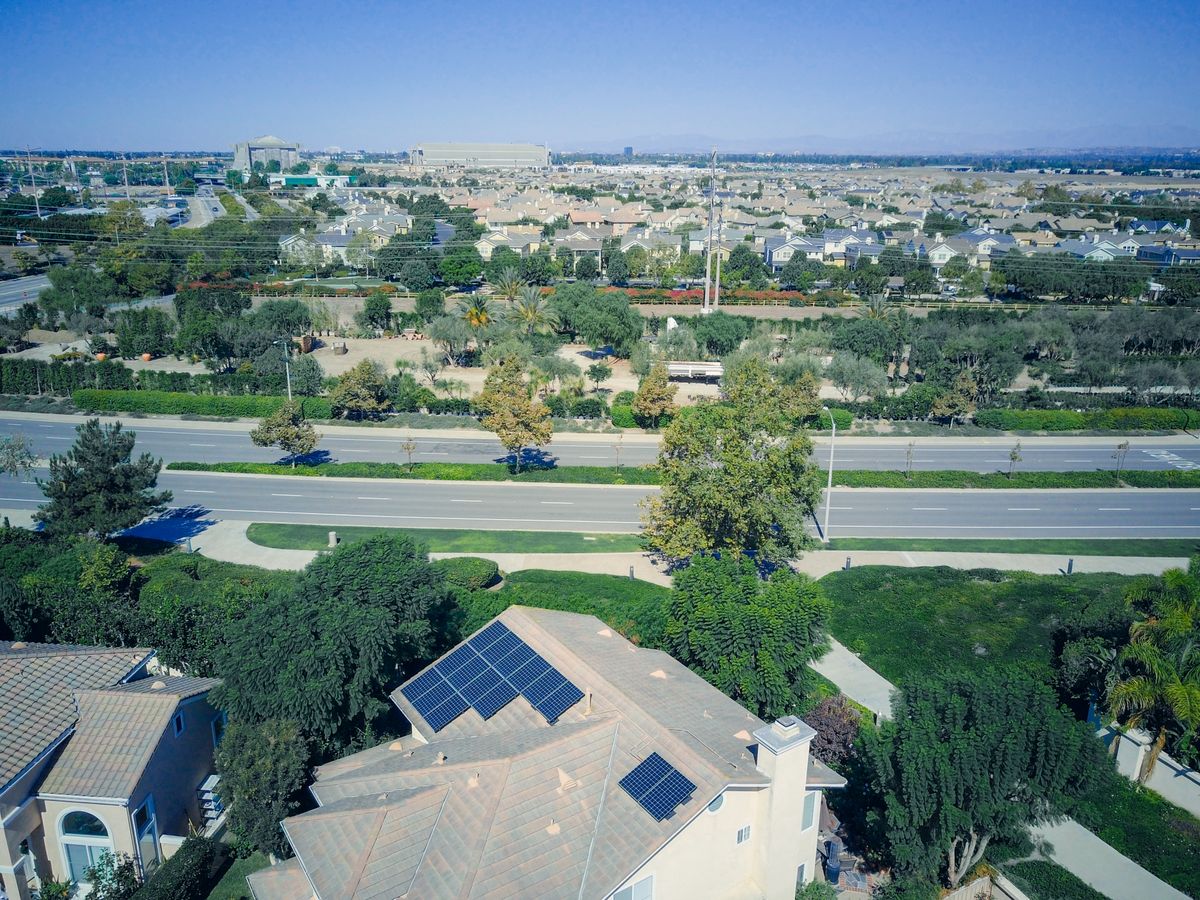
Many Scottish homes already have solar panels, and most of these systems can take a battery. Depending on your current inverter, the battery is either connected alongside it or fitted with a new hybrid inverter. The survey checks the inverter, wiring, consumer unit and available wall space so the recommendation suits your setup.
Where the battery goes
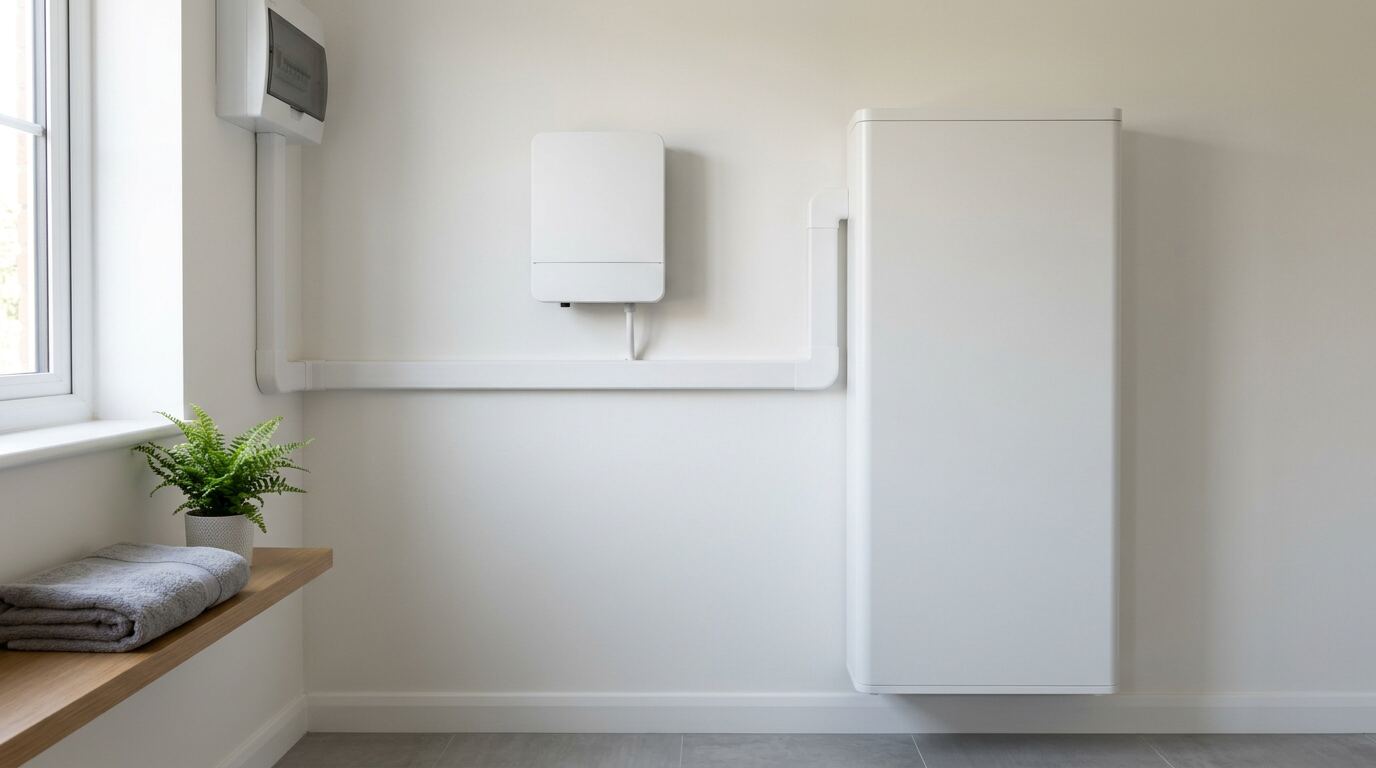
Batteries are usually fitted in a garage, utility room, cupboard or on a sheltered outside wall. The location needs to be dry, ventilated and within the temperature range set by the manufacturer. In colder parts of Scotland, a sheltered indoor spot often helps the battery keep its capacity. The installer agrees the position with you before the day of fitting.
Monitoring and tariffs
Most batteries come with an app that shows what your panels generate, what the battery stores and what you draw from the grid. Your installer sets the charging schedule to match your tariff and explains how to change it. Tariffs change over time, so it is worth reviewing your settings now and again, and we are happy to help with that.
Working with us across Scotland
We arrange surveys and installations for homes and businesses from the Borders and Dumfries and Galloway to Fife, Tayside, Aberdeenshire, the Highlands and the central belt. Our team is based in Scotland, so we understand the housing stock here, from sandstone tenements and granite terraces to harled cottages, former council homes and new builds. Weather, exposure and roof type all shape how a system is designed and fitted, and these are considered from the first conversation.
What we will and will not promise
We do not quote standard figures for every home, because results depend on your roof, your electricity use and your tariff. Instead, your written quote explains the expected generation or storage in kWh and the assumptions behind it, so you can check them or ask questions. There is no pressure to proceed and no obligation. If something would not suit your property, we will say so plainly. We install through MCS-certified partners, and the documents you receive after installation explain your warranties.